
# Why Small Businesses Need a Digital Marketing Agency in 2026

In 2023 alone, over 80% of consumers made purchases influenced by digital marketing, a dramatic leap from just a decade ago when traditional ads still reigned supreme. The digital landscape is evolving at breakneck speed, and every day brings new platforms, tools, and strategies into play. Picture this: a local bakery, Sweet Rise, was struggling to expand beyond its neighborhood customers. With a modest budget, they dove into targeted social media ads and partnered with food influencers. Within three months, their sales doubled, and online orders became their primary revenue stream. On the flip side, a rival bakery hesitated to invest in digital marketing, relying solely on word-of-mouth and sporadic print ads. While their pastries remained delicious, their foot traffic dwindled, and they missed out on connecting with a broader, digitally-attuned audience.

Stories like these play out thousands of times each year, underscoring a critical reality—digital marketing is no longer an optional add-on but the lifeblood of business growth in the modern era. As consumers shift their attention to emerging platforms—think short-form video, AI-powered recommendations, and voice search—brands that neglect these trends risk falling behind. The speed at which social media trends rise and fade, or how algorithms shape content visibility, can make or break a company’s online presence overnight. Adapting quickly is not just an advantage, but a necessity.

The future promises even more seismic shifts. Artificial intelligence will turbocharge personalization, while augmented reality transforms shopping into an immersive experience. With digital marketing channels multiplying and automation tools evolving, business owners have unprecedented opportunities—but also more decisions. The question isn’t just whether you can keep up with the pace of change, but whether you’re ready to seize the biggest digital marketing opportunities coming in 2026. Are you prepared to harness smarter tools, tap into new platforms, and create experiences your customers haven’t even imagined yet, or will you watch from the sidelines as your competitors race ahead? The next few years will separate those who merely react from those who lead the way in the digital age.A digital marketing agency serves as an essential partner for small businesses looking to strengthen their online footprint and reach new customers in an increasingly digital world. These agencies specialize in a broad spectrum of strategies, from crafting engaging social media campaigns and managing search engine ads to optimizing websites for better visibility and creating compelling content that resonates with target audiences. Their expertise bridges the gap between small businesses and the complex digital environment, ensuring that every marketing dollar counts and delivers measurable results. By leveraging their knowledge of the latest platforms, consumer behaviors, and analytics tools, digital marketing agencies help small businesses not only attract potential customers but also foster long-term loyalty and growth.

As we approach 2026, the digital marketing landscape is evolving at a breakneck pace. New technologies like artificial intelligence, machine learning, and advanced data analytics are reshaping how businesses interact with their audiences. Personalization is becoming more sophisticated, with AI-driven tools enabling highly targeted campaigns that speak directly to individual preferences and behaviors. Voice search, powered by virtual assistants and smart devices, is dramatically influencing how consumers discover information and make purchasing decisions. Meanwhile, emerging platforms and shifting consumer habits are introducing constant change, challenging small businesses to stay agile and adapt quickly.

In this fast-moving environment, having a robust digital presence is no longer optional—it’s a critical necessity. Small businesses face intense competition not just from local players, but also from global brands with significant resources and reach. Without a strategic approach and the right expertise, it’s easy to get lost in the noise. A digital marketing agency brings the knowledge and agility required to keep pace with changing algorithms, audience trends, and technology. For small businesses, effective digital marketing means not only staying relevant but also seizing growth opportunities and building lasting relationships with customers in an unpredictable but exciting marketplace.In 2026, the landscape of consumer behavior has continued its rapid evolution, fundamentally transforming how businesses must approach digital engagement. Today’s consumers are more informed, discerning, and digitally savvy than ever before, and their expectations for seamless, personalized experiences have reached new heights. No longer content with generic marketing or static interactions, customers now demand brands to anticipate their needs, deliver relevant content, and interact with them across their preferred channels—whether it’s social media, search engines, or through intuitively designed mobile apps. For businesses, this means that simply having a digital presence is no longer sufficient; a thoughtful, multi-channel strategy tailored to where and how audiences spend their time online is essential.

Online search habits have grown more sophisticated, with consumers relying on voice assistants, AI-driven recommendations, and social platforms not just for product discovery, but also for validation through peer reviews and influencer endorsements. This has put pressure on brands to focus on visibility and reputation management across diverse touchpoints. The rise of “micro-moments”—those critical points when consumers turn to their devices for quick answers—demands that businesses provide immediate, accurate, and engaging information. This requires closely monitoring changing search algorithms, trends in social commerce, and the nuances of app-based browsing to ensure brands are discoverable, relevant, and top-of-mind when it matters most.

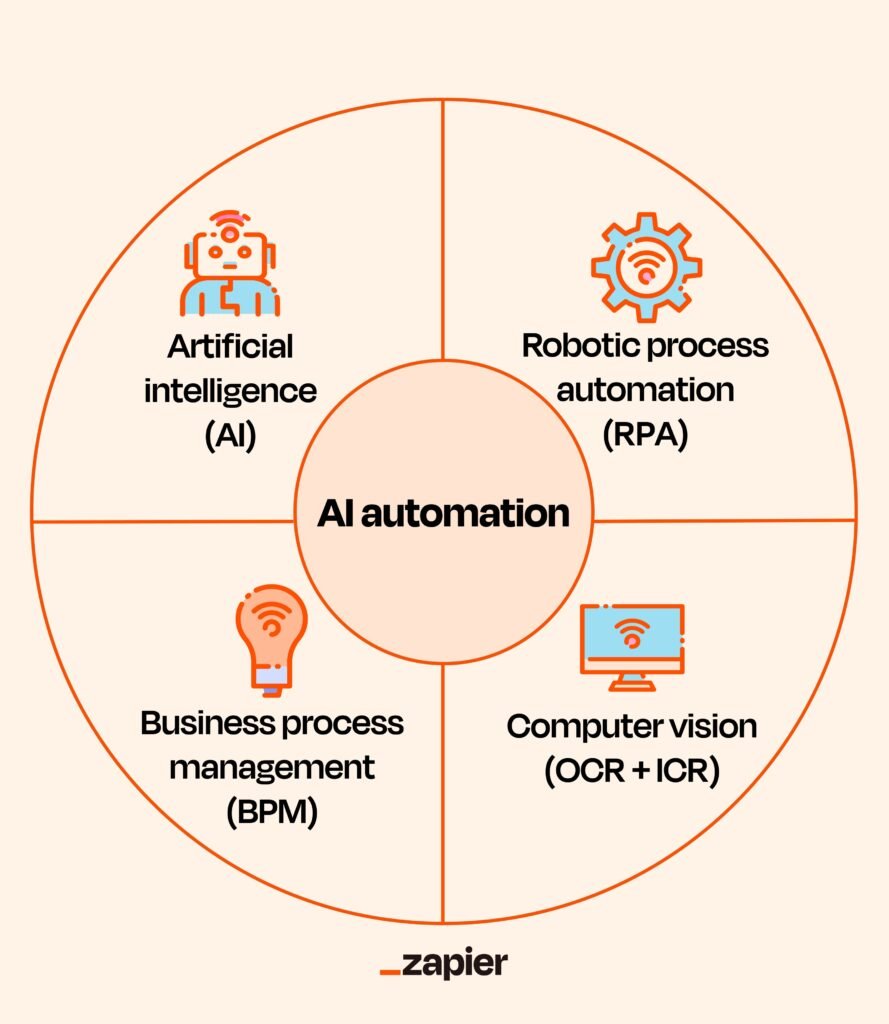
At the heart of this shift is a heightened expectation for personalization. Advanced data analytics enable businesses to predict preferences and deliver tailor-made recommendations, offers, and communications. However, this new level of customization is tightly interwoven with the growing emphasis on data privacy. Consumers are increasingly aware of, and concerned about, how their data is collected, stored, and used. Regulations have tightened, and the demand for transparency and control over personal information is now a significant factor in purchasing decisions. Businesses must strike a delicate balance: harnessing customer data to create meaningful, individualized experiences while rigorously protecting privacy and building trust. In this era of empowered consumers, the brands that succeed will be those that are both sharply attuned to digital behaviors across the right channels and uncompromising in their respect for user data.The rapid evolution of artificial intelligence and automation has dramatically transformed the landscape of digital marketing. Today, AI-powered tools have become essential for everything from social media scheduling and real-time analytics to dynamic content creation and advanced programmatic ad buying. Algorithms can sift through massive volumes of customer data to uncover actionable insights—far faster and more accurately than manual analysis. This enables marketing campaigns to be more personalized, timely, and effective than ever before. Solutions like chatbots handle customer queries at scale, while AI-driven platforms automate A/B testing and optimize ad budgets in real-time, freeing up valuable human resources for strategy and creative thinking.

However, keeping up with the pace of AI innovation presents steep challenges, particularly for small, in-house marketing teams. The proliferation of marketing automation platforms, machine learning models, and predictive analytics tools can be dizzying. Each month seems to introduce new platforms, algorithm updates, and features, requiring ongoing upskilling just to stay relevant. Small teams, often stretched thin managing their day-to-day campaigns, simply don’t have the bandwidth to continually research, test, and implement the latest technology. As a result, their efforts risk falling behind, missing out on the efficiency, segmentation, and performance gains that automation now makes possible.

This is where marketing agencies have a distinct edge. With access to a broader pool of expertise and resources, agencies are able to leverage cutting-edge AI tools at scale. For example, agencies use sophisticated content generators to produce high-quality blog posts, product descriptions, and email campaigns tailored to each customer segment. In the realm of advertising, AI helps agencies optimize everything from headline variations to bid strategies, ensuring ads reach the right audience at the right time for maximum ROI. Agencies can also harness advanced targeting algorithms to analyze customer behavior, predict purchasing intent, and serve up personalized experiences across channels. By staying on top of emerging trends and learning curves, agencies empower their clients to harness the full potential of AI and automation—results that would be nearly impossible for most small in-house teams to replicate on their own.Navigating the digital marketing landscape has become increasingly complex as brands strive for visibility across multiple channels. From managing paid ad campaigns on Google and social platforms, optimizing for search engines, crafting compelling content, leveraging influencer partnerships, to producing engaging video content, the array of tasks can be overwhelming for even the most resourceful in-house teams. Each channel comes with its own best practices, algorithms, formats, and tracking requirements, making it challenging to execute a cohesive strategy that delivers consistent results. As digital trends rapidly shift and consumer behavior evolves, staying ahead requires not just expertise, but also coordinated effort across all points of engagement.

Partnering with a specialized digital marketing agency simplifies this chaos by consolidating all these elements into a unified, strategic approach. Agencies bring together multidisciplinary teams with expertise in every key area, ensuring that your brand message is consistent and amplified wherever your audience is most active. Rather than juggling multiple vendors or forcing your staff to master unfamiliar tools, working with an agency streamlines communication, reporting, and execution. Strategic alignment across channels means your paid ads inform your SEO strategy, your content serves both brand-building and conversion goals, and your influencer partnerships are integrated seamlessly into wider campaigns. This holistic view ensures that each marketing effort builds upon the last, maximizing both budget efficiency and audience impact.

Real-world comparisons highlight these advantages. For instance, a DIY approach might yield some early success—perhaps driving website traffic through organic social or blog posts. However, without a broader strategic vision and the skills to analyze multidimensional data, many businesses struggle to convert that traffic into sales, or fail to retarget visitors effectively across multiple platforms. In contrast, agencies have access to advanced analytics and industry benchmarks, allowing them to optimize campaigns in real time and quickly pivot strategies as needed. Case studies abound of companies who, after switching from a patchwork of self-managed tactics to a coordinated agency-led strategy, saw dramatic lifts in leads, sales, and ROI—often far outweighing the initial savings of going it alone. Ultimately, simplifying multichannel marketing through agency partnership allows brands to focus on growth, confident their marketing dollars are being invested for maximum return.One of the most persistent myths about marketing agencies is that their services invariably come with a hefty price tag, making them accessible only to large corporations with deep pockets. However, the reality is often quite the opposite. While hiring an agency does require an investment, many businesses find that partnering with professionals actually results in significant long-term savings. Agencies bring specialized expertise, established processes, and advanced tools to the table, helping to avoid common—and often costly—marketing mistakes that can drain resources. By leveraging their experience, agencies efficiently allocate budgets, minimize wasteful spending, and help clients achieve better returns on their marketing dollars.

Another major advantage is the flexibility agencies offer. Contrary to the belief that agencies provide rigid, one-size-fits-all solutions, most have adapted to the modern business landscape by customizing their services to match each client’s unique objectives, industry, and scale. Whether you run a startup aiming for fast growth, a small business establishing your brand, or a mid-sized company looking to break into new markets, agencies can tailor strategies and service packages that fit your requirements and budget. This flexibility not only allows businesses of varying sizes to access professional support, but it also ensures that resources are allocated efficiently, with a focus on the channels and tactics most likely to drive results for your specific goals.

Perhaps most crucially, agencies play a pivotal role in helping businesses—especially small and medium-sized enterprises—scale quickly and stay agile in an ever-changing marketplace. Their deep understanding of current trends, coupled with their ability to pivot strategies rapidly, enables clients to seize new opportunities ahead of competitors. Agencies can quickly ramp up campaigns during periods of high demand, adapt messaging to align with market shifts, and tap into a wide-ranging network of industry contacts and resources. For small businesses in particular, this scalability is invaluable, transforming what might otherwise be slow, incremental growth into dynamic, sustainable expansion. By busting myths about costs and providing scalable, flexible solutions, marketing agencies serve as essential partners for businesses ready to maximize their growth potential.Many small business teams are composed of passionate, hardworking individuals, but it’s rare for them to cover every modern marketing specialty in depth. From search engine optimization and paid advertising to data analytics and conversion rate optimization, the necessary skill sets are increasingly specialized and constantly evolving. On the other hand, partnering with a digital marketing agency gives a business immediate access to professionals whose daily focus is mastering these areas. Agency teams are often comprised of experts in various disciplines—content strategy, social media management, creative design, and technical website optimization—each bringing years of specialized experience to the table. This breadth and depth of expertise means that strategies are more robust, campaigns are more innovative, and performance is tracked and refined using best-in-class approaches.

In addition to expertise, agencies typically invest in premium marketing software and tools that may be cost-prohibitive for small businesses to purchase independently. These might include advanced analytics dashboards, marketing automation platforms, search ranking software, heat mapping tools, premium stock libraries, and access to beta features released by platforms like Google and Meta before they reach the wider market. Agencies leverage these tools to uncover deeper insights, personalize campaigns at scale, and respond quickly to shifts in consumer behavior or platform updates. This results in more precise targeting, more informed decision-making, and a greater ability to adapt strategies in real-time.

Furthermore, digital marketing agencies are committed to ongoing training and professional development. Their teams routinely attend industry conferences, participate in certification programs, and monitor emerging trends and regulatory changes across platforms. This dedication to continuous improvement enables agencies to anticipate changes, implement cutting-edge tactics, and maintain compliance—giving clients a competitive edge. For small businesses, keeping up with marketing innovations and rapidly shifting best practices can be overwhelming, often leading to missed opportunities or lagging behind more agile competitors. By leveraging an agency’s expertise, latest tools, and up-to-date knowledge, businesses not only bridge their internal skill gaps but also gain the confidence and support needed to outperform the competition in a fast-evolving digital landscape.Measuring the success of digital marketing efforts is often one of the biggest challenges faced by small and medium-sized business owners, especially those without a strong background in analytics. While the digital landscape offers a wealth of data, interpreting metrics such as ROI (Return on Investment), conversion rates, or customer acquisition costs can be both daunting and time-consuming for non-experts. As a result, many businesses struggle to determine whether their marketing investments are genuinely driving growth or simply washing away budget with little to show in terms of real outcomes.

This is where marketing agencies become invaluable partners. A reputable agency not only develops and implements marketing strategies but also takes on the critical task of transparent reporting. They utilize industry-standard analytics platforms and reporting tools to track performance against predetermined KPIs, providing clients with clear, understandable, and actionable insights. Such transparency helps demystify the numbers and eliminates the guesswork, making it easier for business owners to see what’s working and what isn’t. When results fall short of expectations, a proactive agency will quickly adjust tactics—whether by reallocating ad spend, tweaking messaging, or experimenting with new channels—to optimize campaign effectiveness.

Ultimately, effective agencies don’t view themselves merely as vendors but as strategic partners invested in their clients’ long-term success. This means taking the time to align marketing objectives closely with broader business goals, whether that’s increasing sales, boosting brand awareness, generating high-quality leads, or improving customer retention. Regular reviews, open communication, and a willingness to share both successes and setbacks foster trust and accountability on both sides. This partnership model ensures that marketing isn’t operating in a silo but contributes directly to measurable business growth. By combining robust analytics with genuine collaboration, businesses and agencies can chart a clear path toward higher performance and sustainable results.In today’s rapidly evolving digital landscape, partnering with a digital marketing agency in 2026 is no longer just an option—it’s a strategic imperative for small businesses that aspire to flourish. As digital channels grow increasingly complex and competitive, agency partnerships provide small business owners with unrivaled expertise, access to the latest tools and technologies, data-driven strategies, and the agility needed to stay ahead. By entrusting digital marketing efforts to seasoned professionals, small businesses can focus on their core competencies, achieve greater efficiency, and drive better ROI from their marketing spend. Moreover, agencies offer the advantage of continuously updated knowledge, ensuring that campaigns remain compliant with ever-changing algorithms, privacy regulations, and consumer behaviors.

Another compelling reason for small businesses to work with digital marketing agencies is the ability to scale and adapt quickly. Agencies have the resources and personnel to adjust strategies as needs evolve or as new opportunities emerge, whether that’s exploring novel social platforms or adopting innovative advertising formats. With agencies keeping a finger on the pulse of the latest trends, small business owners can be confident that their brand remains visible and relevant to target audiences. Data analytics further empower informed decision-making, while creative talent ensures that every campaign stands out in a crowded marketplace.

Given these compelling benefits, now is the time for business owners to critically assess their current marketing strategy. Ask yourself: does your current approach deliver the growth you seek? Are you keeping pace with competitors and effectively reaching your customers online? Exploring a partnership with a digital marketing agency could unlock new growth opportunities and provide the expertise needed to overcome modern marketing challenges.

As we move deeper into this decade of digital acceleration, those who take proactive steps—by seeking expert guidance and embracing strategic collaborations—will be best positioned to thrive. Don’t wait until the digital landscape shifts yet again; take control of your business’s future by considering how a digital marketing agency can support your goals and fuel sustained growth in 2026 and beyond.

Leave a Reply